
Are We Confusing Being Connected with Feeling Connected?
- |
- 19 Oct 2026
- |
- Mental Health

We have more ways to reach each other than ever before. Then why do so many of us still feel alone?
If you grew up in the 80s or 90s, you probably remember those winter afternoons when mothers sat in the sun, chatting while peeling peas, or summer nights spent on terraces listening to our grandparents tell stories. During power cuts, neighbours would bring out their chairs, someone would make chai, and before long, everyone would be sitting together, talking and laughing.
Children played outside until someone shouted, “Ghar aa jao! Kitni der se khel rahe ho!”
We didn’t need to plan these moments or capture them for anyone else to see. We simply spent time together. Looking back, I wonder whether those ordinary interactions were teaching us something important about relationships: how to listen, share space, disagree, understand one another, and be comfortable in each other’s presence.
I don’t want to romanticise the past. Every generation has had its struggles, and being surrounded by people has never guaranteed feeling understood. But somewhere along the way, the way we socialise has changed, and I think it is worth reflecting on what that means for us.
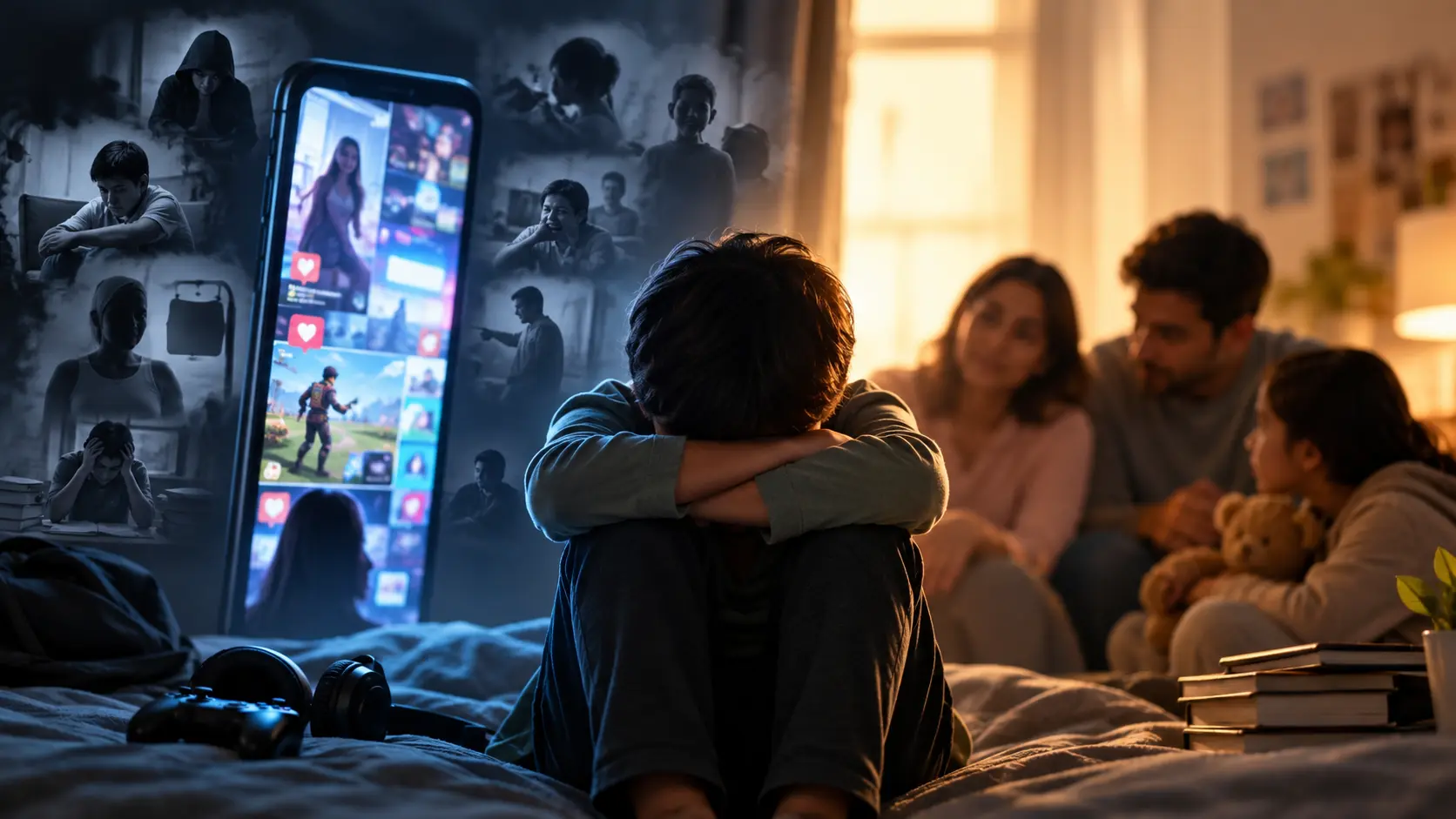
Today, we can reach almost anyone, anywhere. We exchange messages, share reels, react to stories, attend online meetings, and stay in touch with people we haven’t met in years. Our children build friendships through online games and digital communities, often finding acceptance and understanding there. Technology has made connection possible in ways we could never have imagined.
And yet, many people continue to experience loneliness.Perhaps the question isn’t whether we are connected, but whether we feel connected.
There is a difference between knowing what is happening in someone’s life and understanding what is happening within them.
We may know where someone travelled, what they celebrated, and what they posted online. But do we know what they are struggling with? Do they have someone they can call when life feels overwhelming?
You can be married, have children, enjoy professional success, and maintain an active social life while still feeling lonely. You can spend an evening laughing with people and return home feeling that there is no one with whom you can truly be yourself.
Sometimes, loneliness isn’t about the absence of people. It is about the absence of emotional closeness.
What makes us feel connected?
Think about our everyday conversations. We ask our children about homework, our partners about work, and our families about schedules, bills, and plans. We communicate throughout the day, but how often do we pause and ask, “How are you, really?”
And when someone shares something difficult, how often do we listen without immediately offering advice, comparing their experience with ours, or telling them not to overthink?
Often, we respond with the intention of helping. We want to make things better, find solutions, and reassure the person that everything will be fine. But sometimes, in our eagerness to fix things, we forget to understand what the other person is experiencing.
There are moments when people don’t need solutions. They need space to express their fear, confusion, exhaustion, or sadness without feeling judged or hurried towards a resolution.
Perhaps meaningful connection is less about how much time we spend with someone and more about how we make them feel in that time. Can they speak honestly? Can they disagree with us? Can they admit that they are struggling without feeling that they have disappointed us?
These questions matter in our relationships with partners, children, friends, and even colleagues. Emotional safety is not created through grand gestures alone. It develops through small, consistent experiences of being heard, respected, and understood.
Are we losing touch with ourselves, too?
There is another relationship worth examining: the one we have with ourselves. Think about what happens when we have a few quiet minutes. We reach for our phones while waiting, scroll while eating, or put something on to watch when the evening feels too quiet. Silence often becomes something we need to fill.
But when do we pause to understand what we are feeling?
Why did a particular conversation hurt us? Why do we keep saying yes when we want to say no? Why do we feel exhausted even when nothing particularly difficult has happened?
Sometimes, we are so occupied with everything happening around us that we barely notice what is happening within us. We may withdraw when we need support, become irritable when overwhelmed, or keep ourselves busy because slowing down brings us face to face with feelings we haven’t had the time or willingness to explore.
Technology is not necessarily the problem. It can help us learn, reflect, and understand ourselves better. But it is worth asking ourselves whether we are using it to enrich our lives or sometimes to avoid being present in them.
Understanding ourselves also helps us communicate better with others. When we recognise our feelings and needs, we are better able to express them, set boundaries, and seek the support we need.
Can technology replace human connection?
As artificial intelligence becomes more accessible, we have new ways to explore our emotions, organise our thoughts, and prepare for difficult conversations. These can be valuable tools, particularly when someone doesn’t know where to begin or finds it difficult to put an experience into words.
But helping someone articulate an emotion is not the same as experiencing a human relationship with them.
AI can help us prepare for a difficult conversation, but we still need to have the conversation. It can help us understand grief, but there may still be moments when we need someone to sit beside us.
Human relationships are not always convenient. People misunderstand us, have needs of their own, and sometimes disappoint us. Yet, these relationships also give us opportunities to repair misunderstandings, negotiate differences, practise empathy, and understand perspectives beyond our own.
We don’t need to reject technology to preserve these experiences. We need to recognise what it can offer while continuing to make room for relationships that require our time, attention, and participation.
Why human connection matters for mental wellbeing
I have always believed that human connection is an important part of mental wellbeing. Not because relationships can solve every problem or replace professional help when it is needed, but because there is something reassuring about knowing we don’t have to carry everything alone.
Sometimes, support looks like a friend noticing that we have been unusually quiet. Sometimes, it is someone remembering to call, listening without judgement, or allowing us to feel what we are feeling without asking us to explain ourselves.
These moments may seem small, but they can help us feel that we belong, that we matter, and that asking for help is possible.
This is why conversations around mental health must extend beyond symptoms, diagnoses, and treatment. Our sense of wellbeing is also shaped by the relationships we experience, the communities we belong to, and whether we feel safe enough to show up as ourselves.
Perhaps we can begin by bringing some ordinary moments back into our lives. Invite a friend over without waiting for a special occasion. Spend time with family without constantly checking your phone. Ask someone how they are and give them enough time to answer. When someone shares something difficult, try listening before offering advice.
And perhaps we can create more spaces where people don’t have to be successful, cheerful, interesting, or put together to feel welcome.
We don’t need to turn every gathering into an activity or every conversation into an opportunity for growth. Sometimes, connection is simply sharing chai, talking about our day, laughing about something silly, or sitting together in silence.
I sometimes think back to those childhood afternoons, the winter sunshine, and the conversations on terraces. We didn’t call those moments mental wellbeing practices. They were simply part of life.
Maybe we don’t need to go backwards. We need to make room for what matters, even as the world moves forward.
Perhaps the question we need to ask ourselves is this: When was the last time we felt completely comfortable being ourselves with another person? Not performing, not trying to impress anyone, and not pretending that everything is fine. Just being ourselves.
We have learned so many ways to reach each other. Perhaps now we need to make more time to truly be there for one another.
Because being surrounded by people and feeling connected to them are two very different experiences. And in an increasingly connected world, human connection is not a luxury. It is an important part of being human.
Helping minds feel connected again.







Comments 0
No comments yet.
Be the first to share your thoughts on this post!