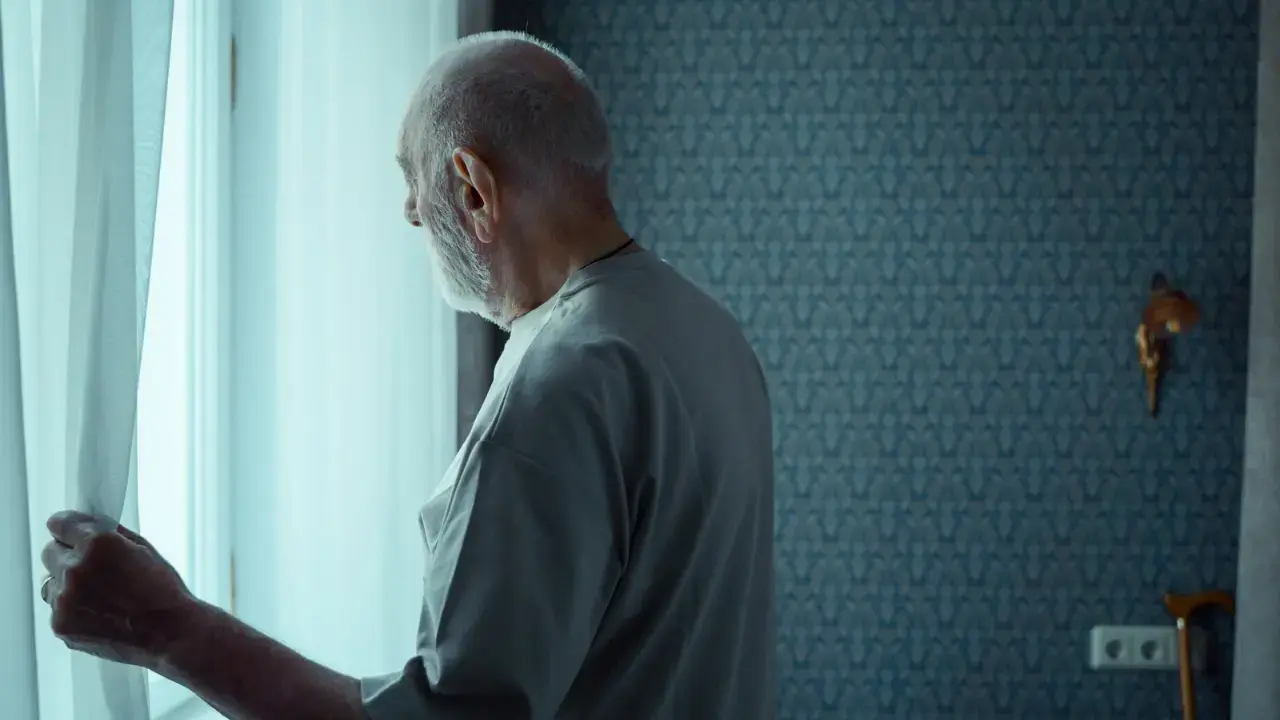
The Silent Crisis: Addressing Suicide Among India’s Elderly.
- |
- 11 Sep 2026
- |
- Connected minds

India’s suicide prevention discourse rightly focuses on youth and farmers. Yet, a silent crisis is unfolding in our homes -suicide among adults over 60.
The Current Scenario:
According to the National Crime Records Bureau report Accidental Deaths and Suicides in India 2024 (released May 2026), India reported 1,70,746 suicides in 2024. While family problems remain the leading cause (33.5%), illness is now second at 17.9%, accounting for 14,075 deaths due to prolonged physical illness and 14,305 due to mental illness. For the elderly, this intersection is critical.
Recent cases illustrate this convergence. In a renowned case a 77-year-old surgeon died by suicide after a back surgery prevented him from operating – a loss of identity and purpose, not merely physical pain. A couple in Ludhiana, Punjab, died by suicide, citing prolonged diabetes, a debt of Rs 5-6 lakh after selling farmland to send children abroad, and profound social isolation. A senior IAS officer died by suicide due to physical and mental health issues…and we have many more to list down. Under-reporting remains highest in this age group due to stigma, as mentioned in Global Burden of Disease studies.
How Elderly Suicide is Clinically Different
Late-life suicidal behaviour differs significantly from that in younger adults:
1. Higher Lethality, Lower Impulsivity: Attempts are more planned, use more lethal means, and are less likely to be communicated as a cry for help.
2. Masked Depression: Elderly persons rarely report sadness. Depression presents somatically : persistent insomnia, loss of appetite, fatigue, irritability, and memory complaints : often mistaken for normal ageing.
3. The Interpersonal Triad: As per the Interpersonal Theory of Suicide, three beliefs predominate: perceived burdensomeness (“I have become a burden”), thwarted belongingness (“No one needs me”), and hopelessness about illness and future.
4. High-Risk Windows: The period immediately following retirement, bereavement, or a new diagnosis of chronic illness, cancer, or stroke.
A 3 level Intervention Model:
Level 1: From Caregiving to Role Restoration:
A families should not dismiss the statements like “God should take me away” as age-related talk. Ask directly: “Do you feel life is not worth living?” Evidence confirms that asking does not implant the idea; it reduces risk. Watch for red flags: giving away prized possessions, refusing food or medication, stating “You will be better off without me,” or sudden calm after deep depression. Prevention is not just about providing care, but restoring role and autonomy.
Level 2: Community and Clinical Care: Physical health care is another major step in suicide prevention.
Untreated pain, hearing loss, visual impairment, and insomnia amplify despair. Every elderly patient with a chronic disease should be screened for depression in primary care using tools like the Geriatric Depression Scale (GDS-15). At the community level, social capital is protective. Daily check-in calls, senior citizen groups, neighbourhood engagement, and protection from elder abuse and financial exploitation can be life-saving.
Level 3: Policy : Beyond Respect to Real Support .
The National Suicide Prevention Strategy (2022) advocates a multi-sectoral approach but requires stronger implementation for the elderly- secure pensions, universal geriatric care under Ayushman Bharat, and wider reach of Tele-MANAS.
Elderly suicide is rarely about wanting to die; it is about struggling to find a reason to live with pain, loneliness, and a sense of being a burden.
For Immediate Support:Tele-MANAS: 14416 / 1-800-891-4416 | Kiran Helpline: 1800-599-0019 | AASRA: 9820466726 | Vandrevala Foundation: 1860-2662-345
If you believe someone is at immediate risk, please take them to the nearest hospital emergency department and consult a qualified psychiatrist or clinical psychologist.
Ms.Ashita Mathur
Clinical Psychologist
Head Connected Minds Wellness.