When You Have People Around You, But Nowhere to Put Your Pain.
- |
- 07 Oct 2026
- |
- Mental Health

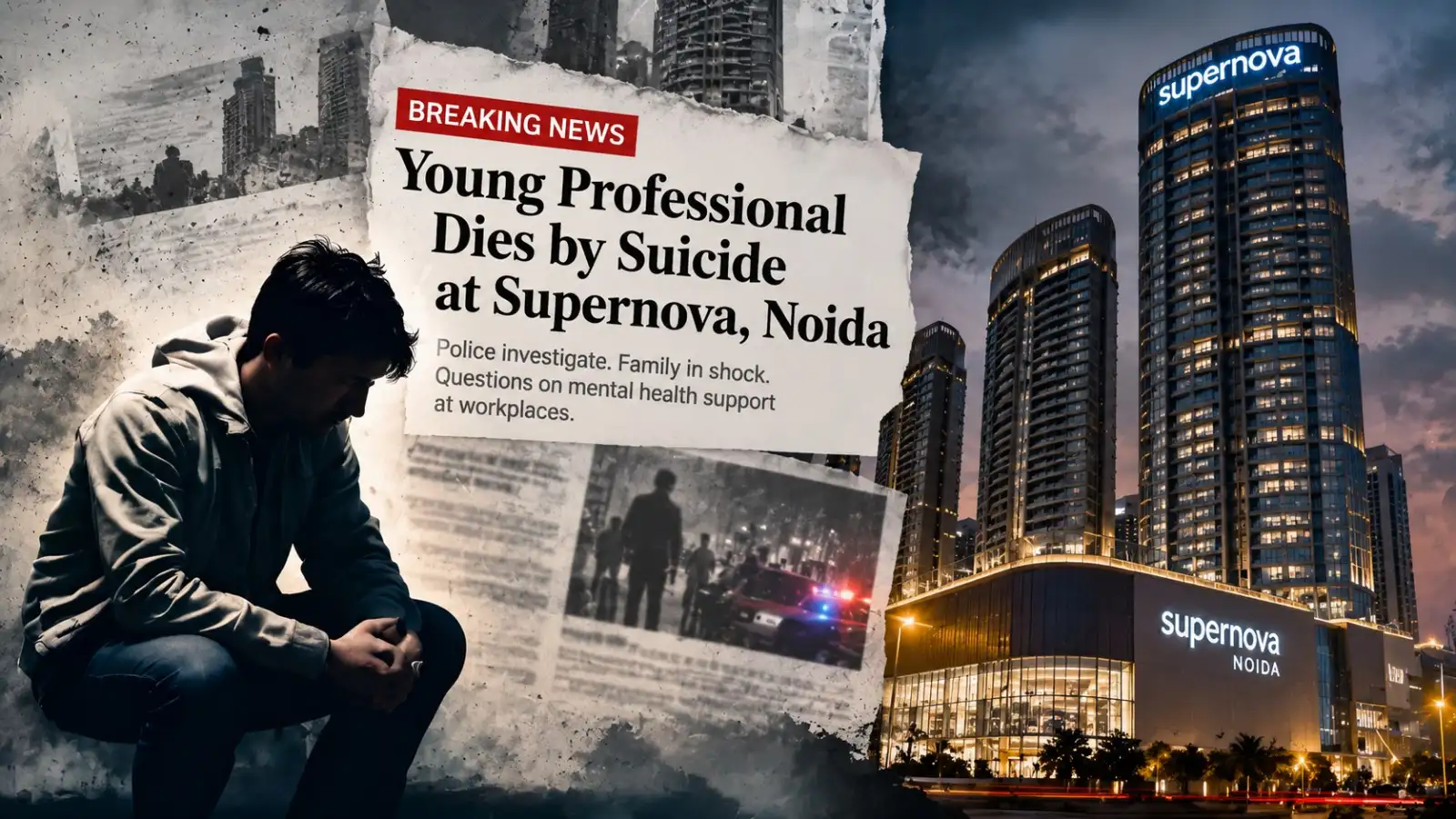
A recent case where a man jumped from supernova building became a headline, and within hours, the conversation shifted – Who was right? Who was wrong? Was it the man? Was it the woman? Was it the family? Was it the workplace? Soon, it becomes another battlefield for gender wars, blame, opinions and moral judgments.
And somewhere in all of that, we miss the most important fact: a life was lost.
When You Have People Around You, But Nowhere to Put Your Pain
The Sambhav Jain case is deeply disheartening. A young life gone.
And behind that life, as reports suggest, were layers of pressure, fatherhood, a child’s health concerns, rising medical expenses, financial stress, relationship difficulties and divorce.
Each of these, individually, can be overwhelming. Together, they can become unbearable.
But what has stayed with me the most is not just the list of problems.
It is the thought of what happens when a person begins to feel completely alone with those problems.
Because sometimes, loneliness isn’t about having nobody around you.
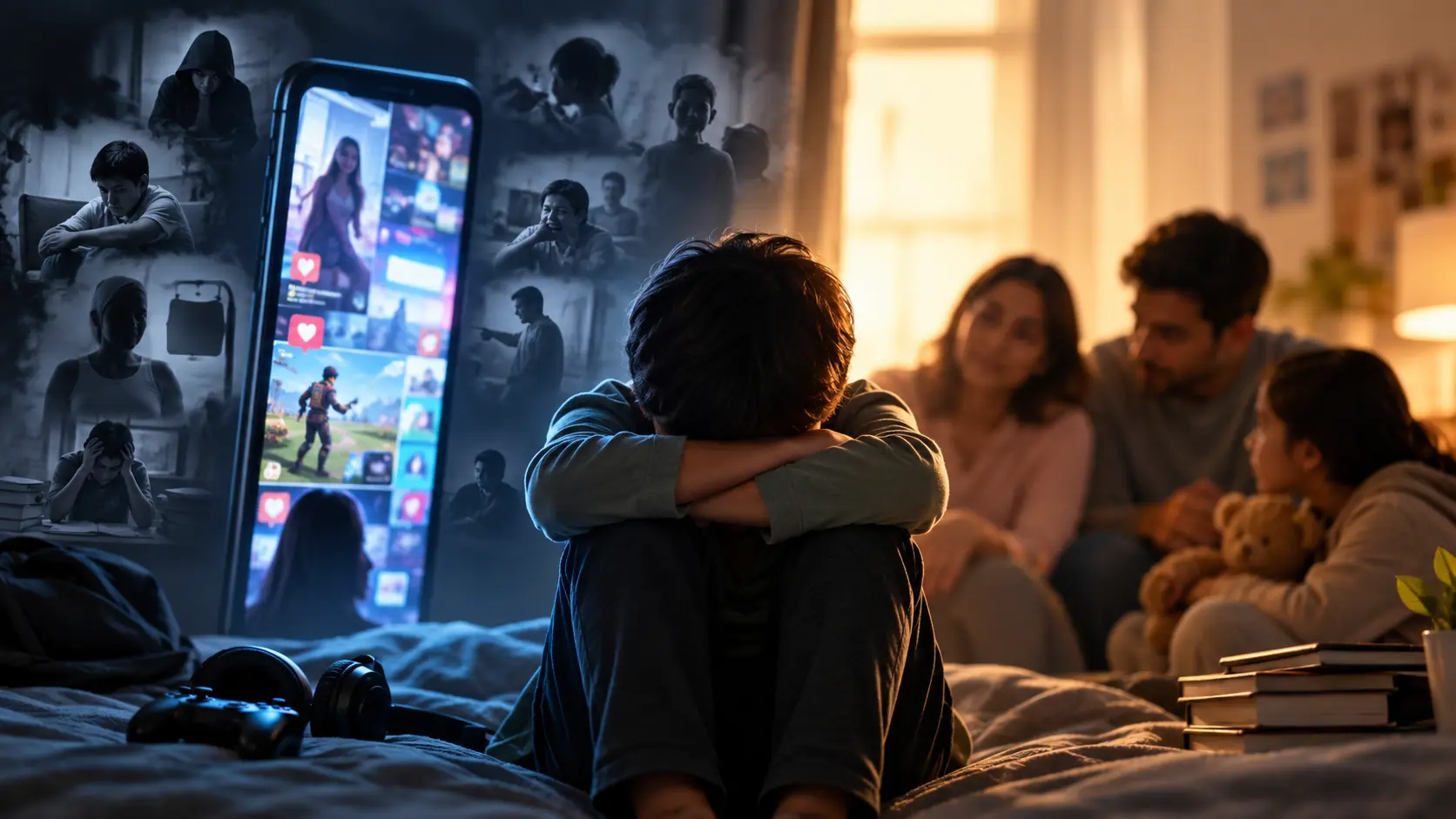
Sometimes, you can be surrounded by people and still have nowhere safe to put your pain. We are becoming increasingly unheard.
We have friends.
Families.
Colleagues.
WhatsApp groups.
Social media.
People we can call at any hour.
And yet, so many people are quietly carrying things they don’t know how to say out loud. And sometimes they do try.
They vent.
They share.
They say, “I’m not okay.”
But what happens next matters.
Who are we saying it to?
And perhaps even more importantly – what happens to our pain after we say it? Because not every person we love is equipped to hold what we are going through. A friend may listen, but respond from their own wounds.
Someone may say, “Yes, relationships are terrible. Leave everything.”
Someone else may reinforce our worst fears.
Someone may turn our vulnerability into gossip.
Someone may simply say, “Everyone has problems. You’ll get over it.”
They may mean well.
But when someone is already emotionally overwhelmed, the wrong response can sometimes make the world feel even smaller.
This is why venting and being emotionally supported are not always the same thing.
Sometimes we don’t just need someone to hear the words.
We need someone who can hold the emotion behind those words.
Someone who doesn’t immediately judge. Someone who doesn’t rush to give advice.
Someone who doesn’t add fuel to the fear, anger or hopelessness.
Someone who can sit with us in the difficult space and help us find our way back.
And then comes another uncomfortable question: What are we doing with someone’s pain after they are gone?
This is where I find our media and social-media behaviour deeply troubling. A person has died.
A family is grieving.
And yet, within hours, a deeply distressing video of his death can begin circulating everywhere. On WhatsApp.
On social media.
Across news pages.
Reposted.
Forwarded.
Clipped.
Discussed.
Watched.
Why?
What exactly are we gaining by repeatedly watching and sharing the final moments of someone’s life?
This is not awareness.
This is not journalism.
And it certainly isn’t respect.
A suicide is not a piece of visual content.
A person’s final moments are not something for the internet to consume. And there is another reason this matters.
For someone already struggling, repeated exposure to graphic suicide content can be harmful. Responsible suicide reporting specifically cautions against sensationalising the death, showing graphic imagery or repeatedly focusing on the method because of concerns around imitation and contagion.
We have to understand that what we publish doesn’t exist in a vacuum.
Someone watching that video may be grieving. Someone may be depressed.
Someone may be dealing with divorce. Someone may be drowning in debt.
Someone may be sitting alone at 2 a.m., believing there is no way out. We don’t know who is watching.
So perhaps we need to ask ourselves before pressing forward:
What if the person watching this is already at the edge?
And somewhere along the way, we have lost the real conversation.
Very quickly, the conversation around this case has shifted towards the wife. Towards alimony.
Towards divorce.
Towards who was right.
Who was wrong.
Who demanded what.
Who should be blamed.
And suddenly, a human tragedy is becoming another battlefield in the endlessmen-versus-women conversation.
There can absolutely be serious conversations around divorce, maintenance, financial responsibility, parenting and the pressures faced by men and women.
Those conversations deserve facts, nuance and space. But this tragedy cannot be reduced to a gender war. We don’t know every detail of a private marriage.
We don’t know everything that happened inside that relationship. And we certainly cannot turn social-media speculation into a verdict.
Because when we make the entire conversation about finding a villain, we lose sight of something much more important:
A human being had reached a point of profound distress.
That deserves our attention too.
Not because one gender is responsible.
Not because the other gender is responsible. But because human beings are struggling. Men are struggling.
Women are struggling.
Parents are struggling.
People going through divorce are struggling.
People caring for sick children are struggling.
People drowning in financial pressure are struggling. And increasingly, people are struggling alone.
We need to stop turning pain into ammunition.
The moment someone’s suffering becomes an argument for our existing beliefs, we stop listening.
If you already believe that marriages are unfair to men, you see one story as proof.
If you already believe that women are victims of marriage and divorce systems, you see the same story differently.
If you already believe that men don’t talk about their emotions, you see one narrative. If you already believe that women are blamed for everything, you see another.
But a human life is more complicated than our social-media positions. A tragedy should make us more compassionate, not more certain. Perhaps the question isn’t:
“Whose fault was it?”
Perhaps, before we rush to blame, we should ask:
“What could have helped?”
“Where could he have gone?” “Who could he have spoken to?” “Did he have a safe space?”
“Did the people around him know how serious his distress was?”
And most importantly:
“Are we creating those spaces for people today?” Because the right person can make a difference.
Sometimes, one conversation doesn’t solve the problem. But it can change what happens next.
A good listener may not remove the debt. They cannot reverse a diagnosis.
They cannot repair a marriage overnight.
They cannot erase the responsibilities of parenthood. But they can help a person feel:
“I don’t have to carry this moment alone.”
And sometimes, that matters enormously.
We need more people who know how to listen. More families who can recognise distress.
More workplaces where asking for psychological help isn’t treated as weakness. More affordable mental-health support.
More communities where people can speak without immediately being judged.
And more responsible media that understands that reporting a death is not the same as repeatedly displaying it.
Maybe this is the conversation we need to have.
Not just about suicide. But about loneliness. About emotional isolation.
About men who are expected to provide but rarely given permission to fall apart. About parents carrying fear silently.
About people going through divorce and feeling like they have failed. About families dealing with illness and financial pressure.
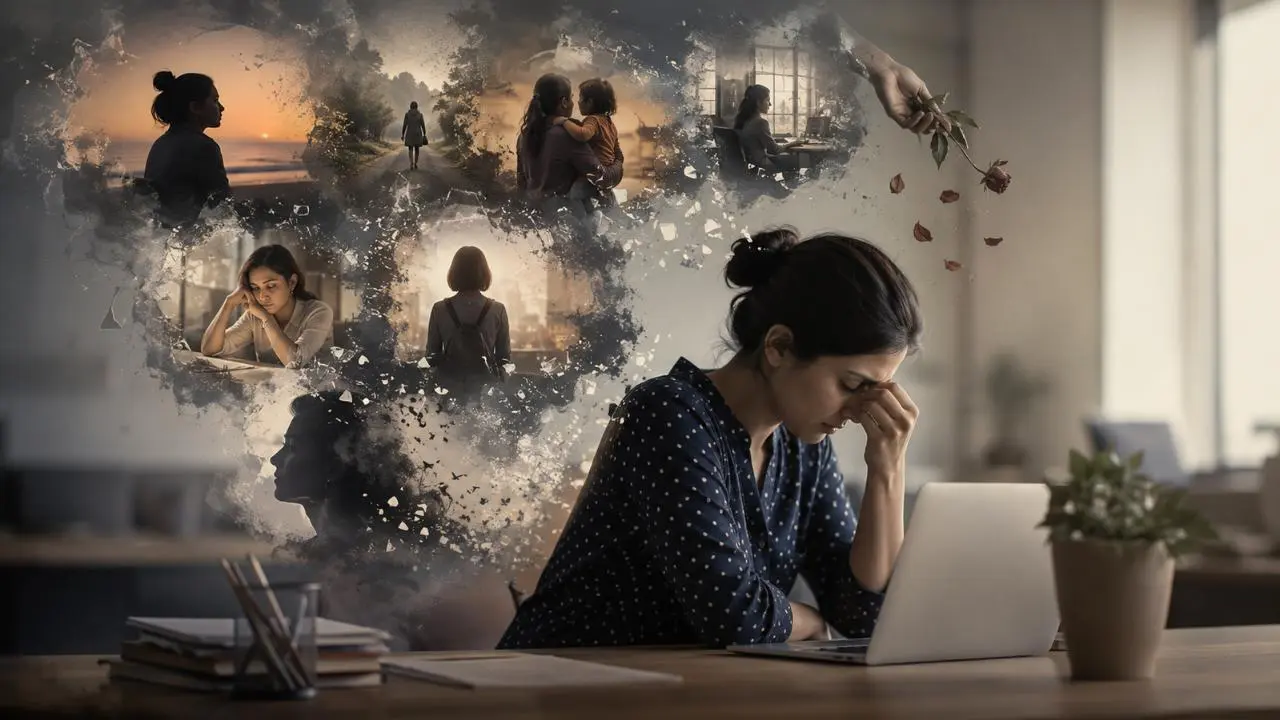
About people who are functioning on the outside and falling apart on the inside. And about all of us learning one very important thing:
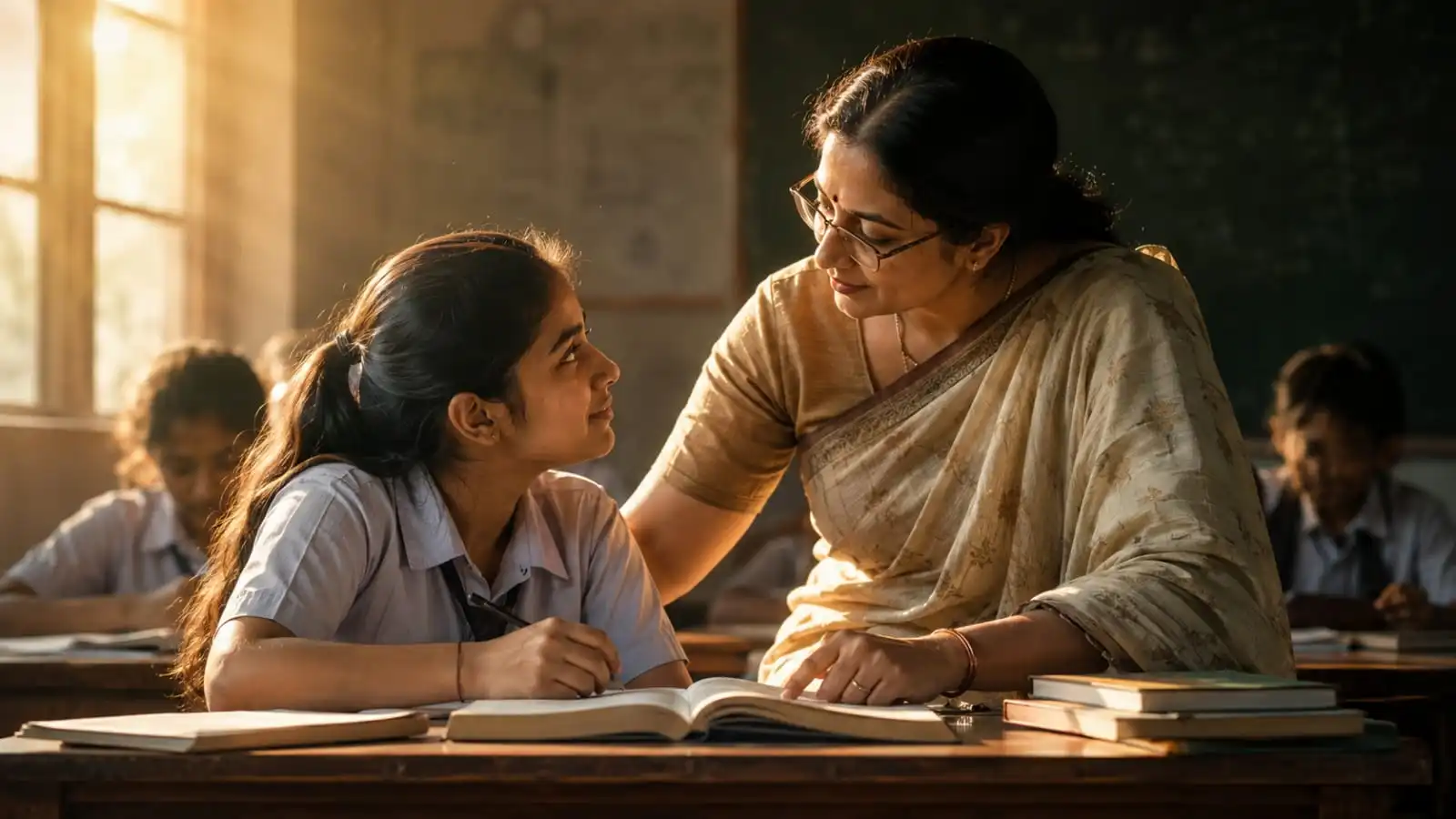
Listening is not a small act.
Sometimes, it is the first bridge between pain and hope. So let’s create more places where people can speak.
Let’s create more people who know how to listen. Let’s stop forwarding someone’s final moments.
Let’s stop turning someone’s death into ammunition for our gender wars. Let’s stop trying to find a single villain in a story we don’t fully know.
And let’s make it easier to say:
“I am not okay.” Without shame. Without judgement.
Without being told to simply “move on.”
Because perhaps what many people need isn’t another person telling them how to fix their life.
Perhaps they first need a safe place to say how hard life has become.
And perhaps our biggest responsibility, as families, friends, media, communities and mental-health professionals, is to make sure that when someone finally speaks, there is someone who knows how to listen.

vijay kumar
07 Oct 2026, 08:10 PMVery Nice