
Breaking the Stigma: The Truth About Seeking Help.
- |
- 18 Aug 2025
- |
- Mental Health

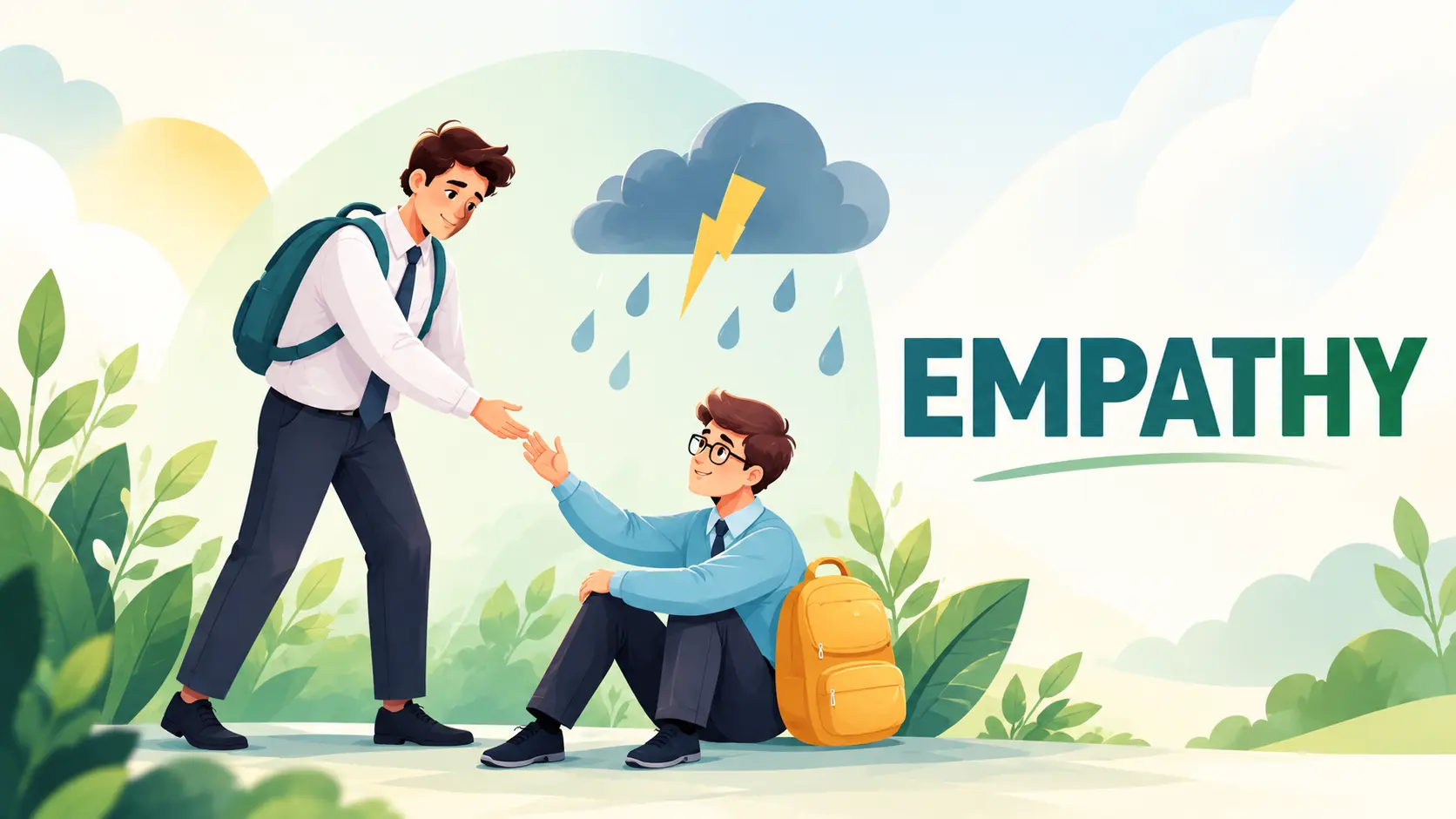
In our society, asking for help is often seen as a sign of weakness. We grow up hearing phrases like “Be strong,” “Don’t cry,” or “Handle it on your own.” These messages make many people believe that struggling is shameful and that seeking support is something to hide. But the truth is, reaching out for help is not a weakness—it’s one of the strongest and most courageous things a person can do.
Why the Stigma Exists
For decades, mental health has carried unnecessary labels. People are often scared to admit when they’re feeling anxious, depressed, or overwhelmed because they worry about being judged. Society has taught us to put on a brave face, even when we’re hurting inside.
This stigma creates silence. Instead of opening up, people push their feelings down, which only makes the struggles heavier. The truth is—everyone, at some point, needs support. It doesn’t make you broken; it makes you human.
The Reality of Seeking Help
Seeking help can look different for everyone. For some, it’s talking to a trusted friend. For others, it’s reaching out to a therapist or joining a support group. What matters most is that you don’t try to carry the weight alone.
Professional support can make an enormous difference. Therapy, counseling, or even simple guided practices can give you tools to cope, heal, and grow stronger. Platforms like Connected Mind are helping break barriers by making mental health support more accessible, safe, and judgment-free.
Common Myths About Asking for Help
-
“People will think I’m weak.”
In reality, asking for help shows courage. It takes strength to admit you can’t do everything alone. -
“I should be able to fix this myself.”
No one expects you to heal a physical injury alone, so why should mental struggles be any different? -
“It won’t make a difference.”
Professional guidance often helps people see new perspectives and find healthier ways to cope. -
“Other people have it worse, so I shouldn’t complain.”
Pain is not a competition. What you feel is valid and deserves care.
How Seeking Help Changes Lives
When people take the brave step to seek help, something powerful happens: they realize they’re not alone. The simple act of sharing your thoughts can release the pressure of carrying them silently. Over time, support helps build resilience, self-awareness, and a stronger sense of peace.
Therapy and counseling are not just for crisis situations. They can also be tools for growth, self-discovery, and healthier living. With the right guidance—whether it’s through in-person sessions or online platforms like Connected Mind—anyone can learn to manage their struggles and reclaim control over their life.
Creating a Culture of Openness
Breaking the stigma isn’t just about individual choices—it’s also about collective change. We can all play a part in making it easier for others to seek help:
-
Start conversations. Talking openly about mental health normalizes it.
-
Listen without judgment. Sometimes, people just need to feel heard.
-
Encourage support. Remind loved ones that reaching out for help is okay.
-
Educate yourself. Understanding mental health reduces fear and stereotypes.
When we change the way we think and talk about mental health, we make it safer for others to step forward.
Final Thoughts
The truth is simple: needing help is not a failure—it’s a part of being human. Every single one of us will face moments where life feels too heavy to handle alone. The bravest thing you can do is to admit it and reach for the support you deserve.
The more we talk about mental health, the more we break down the walls of stigma. And each time someone chooses to seek help, it sends a powerful message: healing is possible, and no one has to walk the journey alone.







Comments 0
No comments yet.
Be the first to share your thoughts on this post!