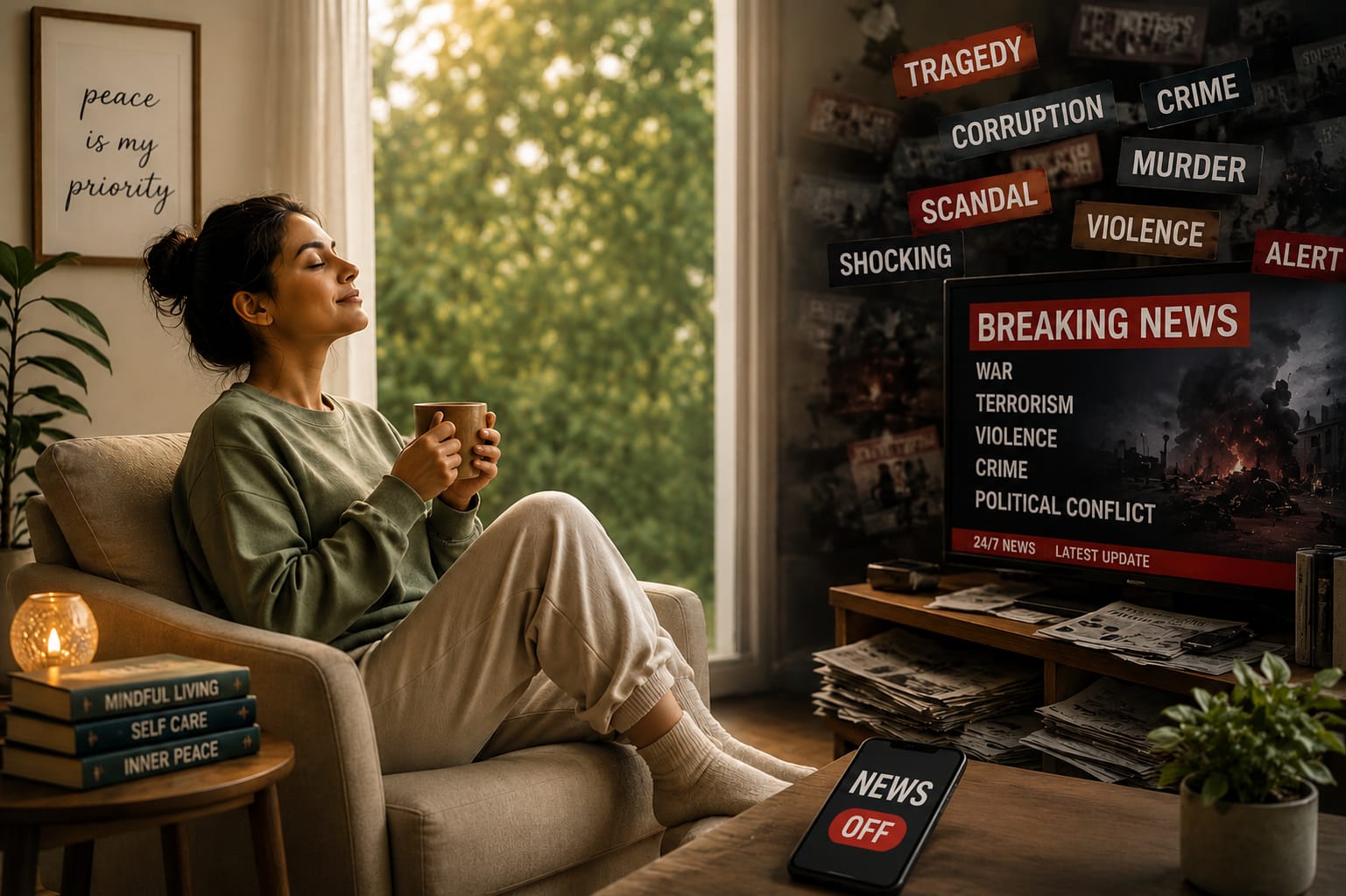
Too Much News, Too Little Peace: Why More People Are Choosing Peace Over News
- |
- 29 May 2026
- |
- Mental Health

There was a time when news connected people to the world.
In Indian households, mornings began with newspapers and evenings ended with television news debates. Families discussed politics over dinner. International events, elections, science, development, sports, and public issues became part of everyday conversations.
News once helped people feel informed, socially aware, and intellectually connected.
But today, a quiet shift is happening. More and more people are consciously distancing themselves from news; not because they do not care about society, but because emotionally, they feel exhausted.
Across cities, small towns, offices, colleges, and even within families, people are saying – “I stopped watching the news because it affects my mental peace.”
“There is too much negativity everywhere.”
“I feel anxious after scrolling through headlines.”
“I don’t sleep well after watching disturbing news.”
And perhaps for the first time, many people are choosing emotional wellbeing over constant information consumption.
From Information to Emotional Overload
News was never meant to become a nonstop emotional assault.
Difficult stories have always existed in journalism. Society must remain aware of crime, injustice, conflict, and political realities. But what has changed today is the intensity, repetition, and emotional saturation of negative content.
A large portion of modern news cycles now revolves around:
- murders and violent crimes
- rape and abuse cases
- political hostility
- communal conflict
- aggressive television debates
- emotional outrage
- online trolling and hatred
- war footage and destruction
- relationship scandals and betrayal
- disturbing visuals replayed repeatedly
The issue is not reporting reality. The issue is that people are consuming fear, anger, violence, and emotional chaos continuously, often without any emotional recovery in between. The human brain is simply not designed to absorb this level of psychological stimulation every single day.
The Rise of Anxiety and “News Fatigue”
Mental health experts and researchers across the world have increasingly observed the psychological impact of constant exposure to distressing news.
Continuous consumption of violent or emotionally disturbing content has been associated with anxiety, stress overload, insomnia and poor sleep, emotional exhaustion, fear and helplessness, irritability, depressive thoughts, emotional numbness
People may not even realize how deeply news affects them emotionally. But slowly, it changes the nervous system. Someone watches reports of war before sleeping.
Another scrolls through crime videos while travelling to work. Someone else spends hours consuming angry political debates online. The body remains alert. The mind remains overstimulated. Even after the screen is turned off, the emotional residue remains inside.
Many individuals today report:
- racing thoughts at night
- difficulty sleeping
- increased fear about society
- emotional heaviness
- constant mental tension
- feeling emotionally drained after scrolling social media or watching news
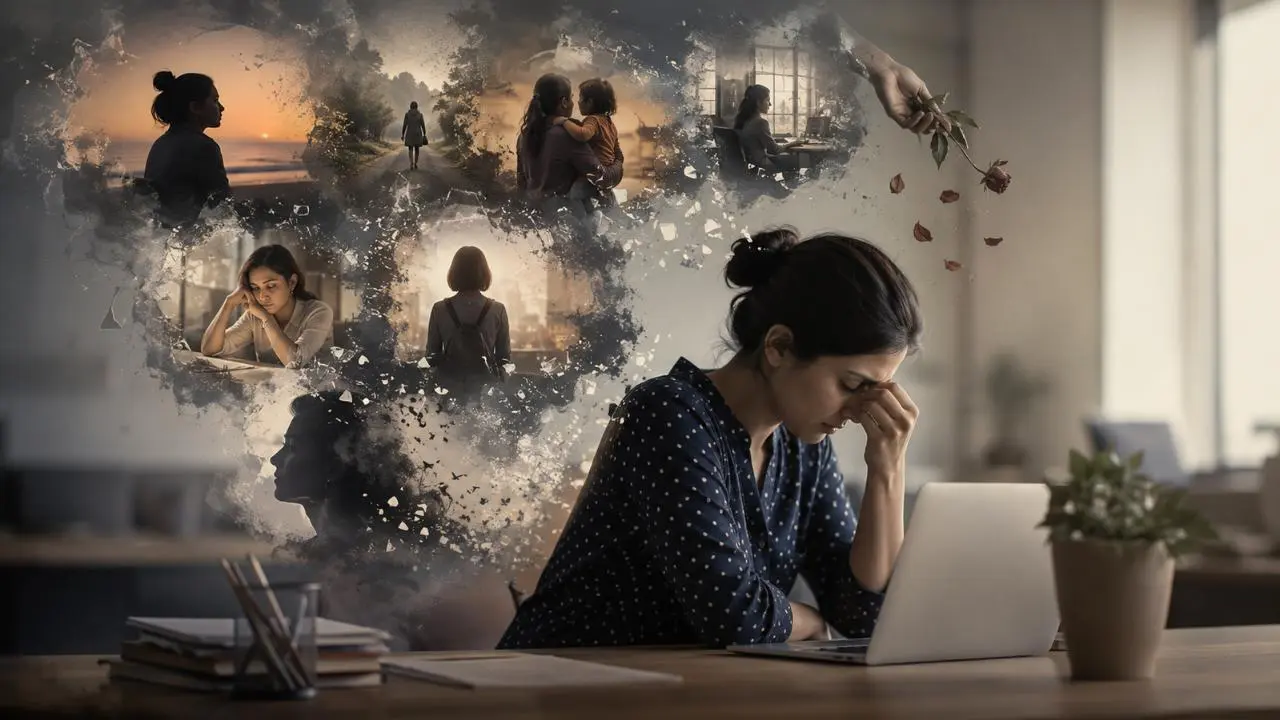
In India especially, where many people are already balancing work pressure, financial stress, family expectations, academic competition, loneliness, and emotional burnout, this nonstop negativity becomes an invisible mental burden.
Social Media Has Changed the Nature of News
Earlier, people watched news at specific hours. Now, news follows people everywhere.
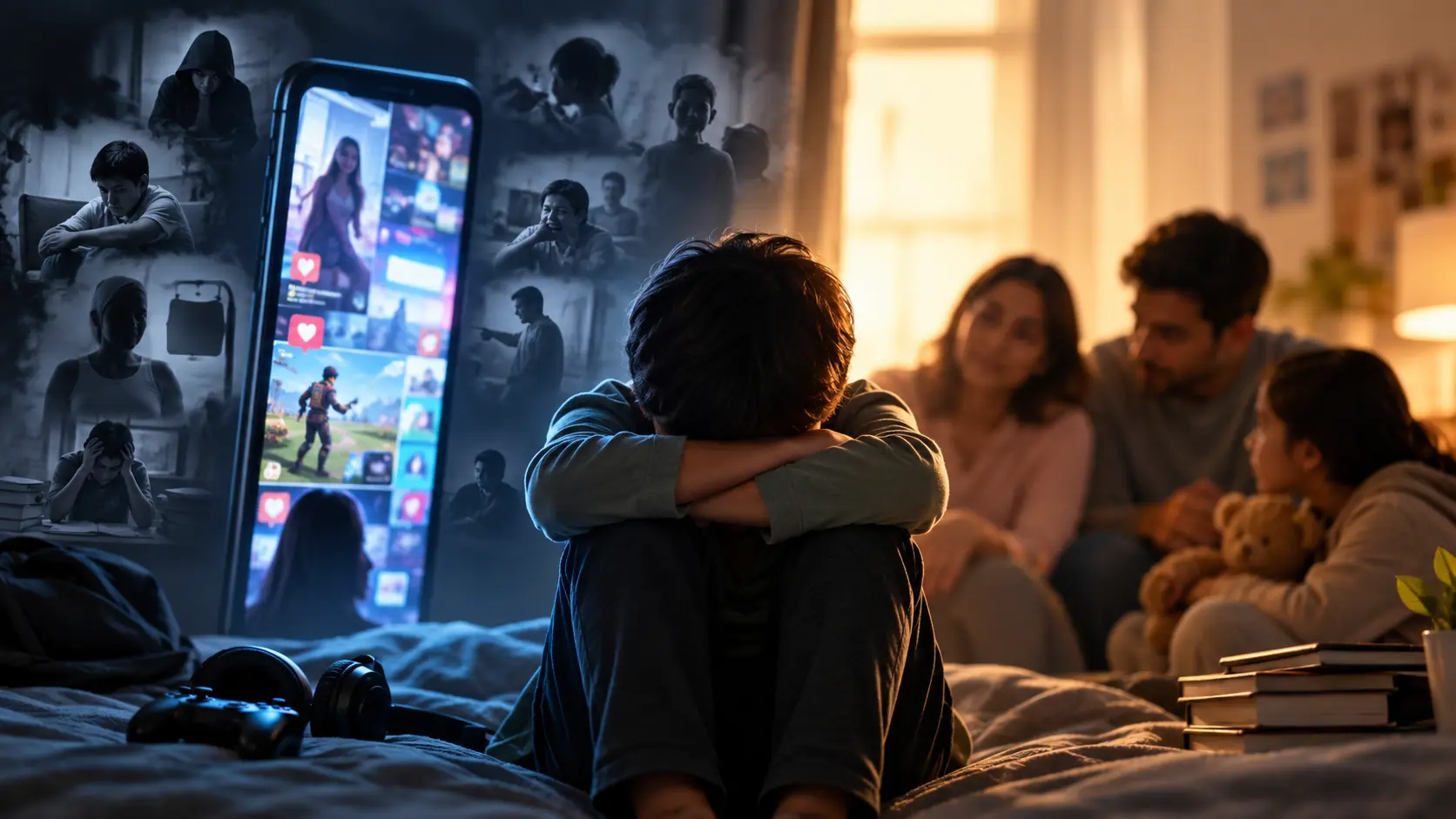
Instagram reels, WhatsApp forwards, YouTube shorts, X (Twitter) trends, breaking notifications every hour. A disturbing incident no longer remains a single headline. It becomes endless content.
One tragic event gets converted into debates, reaction videos, memes, outrage posts, graphic clips, political arguments, viral commentary. And because social media algorithms reward emotional intensity, negative content spreads faster than calm or constructive content.
Fear gets attention. Anger gets engagement. Conflict gets views. Slowly, people begin to feel that the entire world is collapsing, even though reality is far more balanced and complex than what appears online.
Hyperconnected, Yet Emotionally Isolated
One of the strangest realities of modern life is that people are more digitally connected than ever before, yet emotionally disconnected from each other. A family of four may sit together in one room, all scrolling separately on their phones.
Everyone is consuming different streams of anxiety, outrage, fear, and negativity – silently.
We now have thousands of followers, hundreds of WhatsApp contacts and nonstop online interaction. Yet when people emotionally struggle, many still feel alone.
Even empathy seems to be reducing. Sometimes we watch videos of violence, accidents, public fights, or emotional suffering so frequently that the mind becomes desensitized. Disturbing incidents begin to feel “normal” because people are exposed to them every day. This emotional numbness is one of the hidden psychological consequences of excessive negative media exposure.
Why People Are Quietly Distancing Themselves from News
Many people today are not completely disconnecting from reality. They are trying to protect their mental peace. This is an important difference. People are now:
- avoiding prime-time debates
- muting toxic pages
- limiting doom-scrolling
- taking social media breaks
- choosing selective news consumption
- avoiding graphic videos
- consuming only essential updates
For some, this has become an act of emotional self-protection. Just as people avoid toxic environments in real life, they are also learning to avoid emotionally toxic digital environments. This does not mean they are becoming careless citizens. It means they are emotionally overwhelmed human beings trying to survive in an age of nonstop information.
The Indian Emotional Reality
In India, emotional wellbeing is still not discussed openly enough. People are often expected to “adjust,” “ignore stress,” or “stay strong.” But emotional overload does not disappear simply because society ignores it. When people spend hours consuming violence, hatred, fear, and negativity daily, it affects mental health, even if silently.
Children are growing up exposed to disturbing content earlier than ever before. Teenagers are consuming outrage-based content daily. Adults are carrying invisible emotional fatigue.
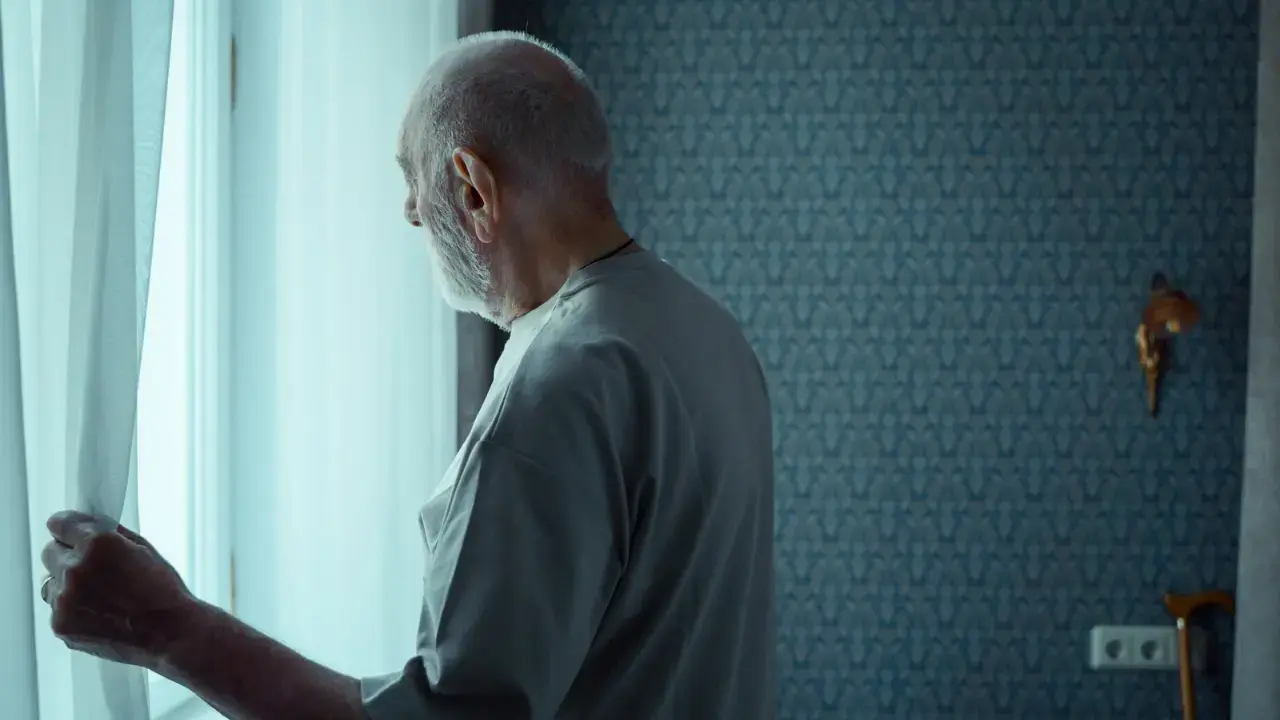
Elderly people often feel increased anxiety after watching aggressive debates and fear-driven reporting. And somewhere in this chaos, mental peace has become a luxury.
That is why many individuals are now intentionally choosing slower, calmer, and healthier digital habits.
Staying Informed Without Destroying Mental Peace
The solution is not complete ignorance. Society still needs aware and informed citizens. People should understand politics, governance, social issues, public safety, and global affairs. Responsible journalism remains important for democracy and accountability. But mental health matters too. The challenge today is learning how to stay informed without becoming emotionally consumed. This may include:
- limiting news consumption time
- avoiding sensationalist channels
- reducing doom-scrolling before sleep
- taking regular digital detox breaks
- following balanced journalism
- protecting children from graphic content
- spending more time in real conversations than online outrage
- balancing difficult news with hopeful and meaningful stories
Awareness should not come at the cost of emotional collapse.
A Psychologist’s Perspective
We spoke to clinical psychologist and wellness expert Ms. Ashita Mathur about the growing emotional exhaustion people experience from constant exposure to negative news, and this is what she shared –
“News is essential nourishment for an engaged and aware mind. Staying informed about society, current affairs, and the world around us is important. But like any form of consumption, balance matters. Our brains are naturally wired to scan for danger and detect threats. Continuous and unfiltered exposure to stories of war, violence, terrorism, abuse, murder, emotional conflict, and increasingly aggressive, high-pitch presentation styles can keep the nervous system in a state of chronic alertness. Over time, this may contribute to fear, anxiety, emotional exhaustion, helplessness, panic, and even disturbed sleep.
The goal is not to disconnect from reality, but to consume information with awareness and intention. Choose one or two trusted sources, set healthy boundaries around screen time, and avoid doomscrolling- especially before bedtime. Stay informed, but consciously return to your own emotional space, your relationships, your routines, and your inner calm.
Be a witness to the world, not a sponge for every headline.”
A Society That Also Needs Hope
Human beings cannot survive emotionally on fear alone. People also need hope, empathy, kindness, inspiration, healing, stories of humanity, stories of resilience, reminders that goodness still exists.
Perhaps this is why many individuals today are moving away from noise-driven media and searching for emotionally safer spaces online. Because deep down, people are tired. Tired of constant outrage. Tired of emotional overload. Tired of fear-driven content. Tired of carrying the emotional weight of the world every day. And maybe this growing distance from negative news is not a sign that society no longer cares. Maybe it is a sign that emotionally, society is asking for healing. In a world full of noise, protecting your peace is no longer selfish. It is becoming necessary.



Comments 0
No comments yet.
Be the first to share your thoughts on this post!