What Is Anxiety? Symptoms, Causes, Triggers & How To Manage It
- |
- 16 Jul 2026
- |
- Connected minds

We often hear people say, “I’m having anxiety,” or “This situation is giving me anxiety.” While these phrases have become part of everyday conversation, they can sometimes blur the line between normal human emotions and a mental health condition.
Feeling anxious before an interview, while waiting for medical test results, or before speaking in public is completely normal. In fact, anxiety is a natural survival response designed to protect us from danger.
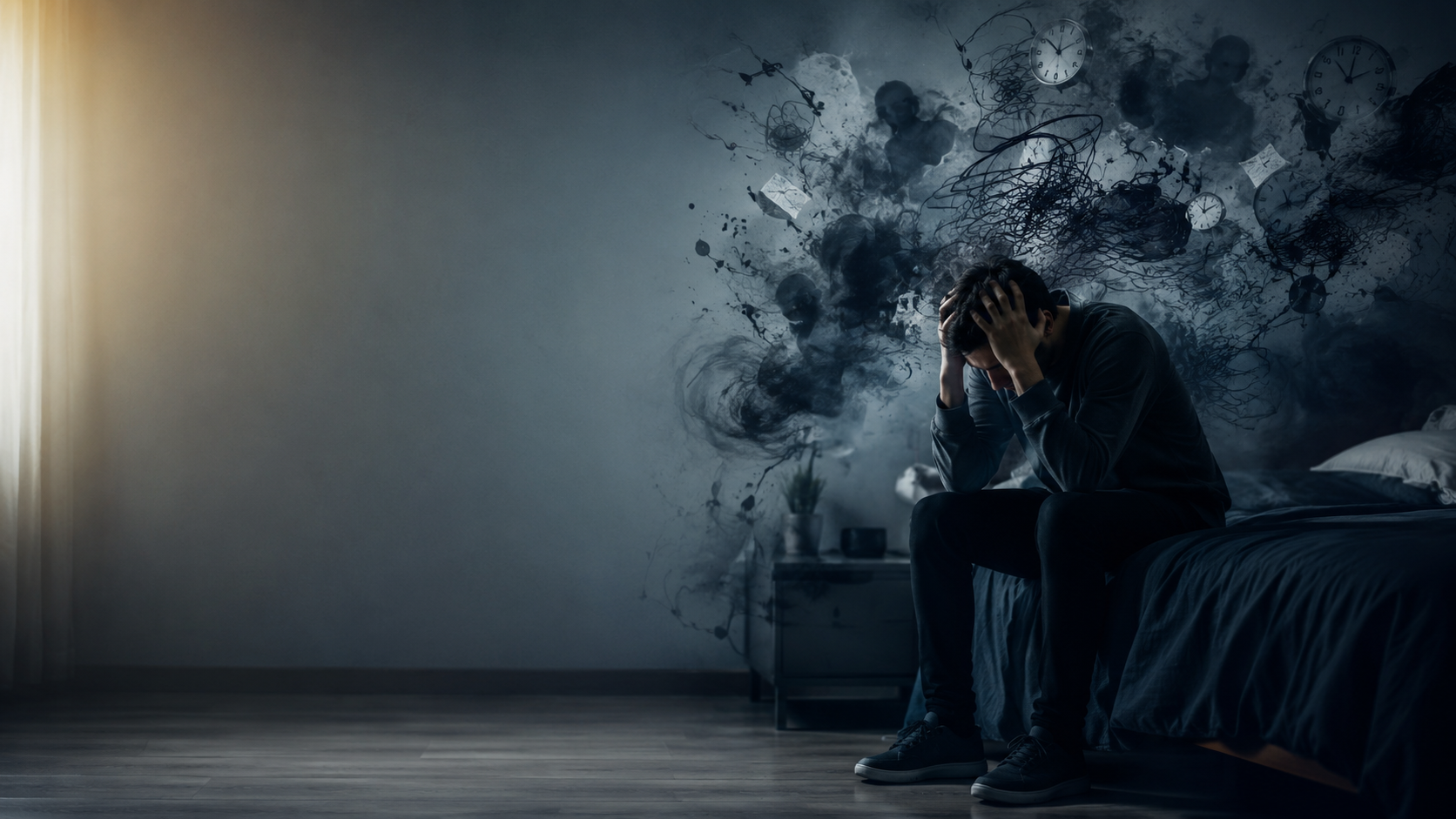
But when anxiety becomes constant, overwhelming, and starts interfering with your daily life, it may be more than just a passing feeling.
Understanding this difference is the first step toward taking care of your mental well-being.
What Is Anxiety?
Anxiety is your mind and body’s natural alarm system.
Imagine you’re walking down a road and suddenly a car speeds toward you. Your heart races, your breathing becomes faster, and your muscles prepare to react. That’s anxiety working exactly as it should, it helps you survive.
The problem begins when this alarm keeps ringing even when there is no real danger.
Your brain starts treating ordinary situations as threats.
A simple phone call.
An email from your boss.
A crowded room.
A health concern.
Even the thought of tomorrow.
The body reacts as if something terrible is about to happen, even when nothing actually is.
Feeling Anxious vs. Having an Anxiety Disorder
This is one of the most important differences people need to understand.
Feeling Anxious
Everyone experiences anxiety.
You might feel anxious before:
- An important presentation
- An examination
- A wedding
- A job interview
- Financial uncertainty
- A difficult conversation
These feelings usually reduce once the situation passes.
This is normal anxiety.
Anxiety Disorder
An anxiety disorder is different.
The fear or worry:
- Continues for weeks or months
- Feels difficult to control
- Appears even without a clear reason
- Starts affecting work, studies, relationships, sleep, or physical health
Instead of helping you prepare, it begins to hold you back.
Common Signs of Anxiety
Anxiety affects much more than just thoughts.
Emotional Signs
- Constant worry
- Feeling restless
- Irritability
- Difficulty relaxing
- Feeling like something bad is about to happen
- Feeling overwhelmed even by small tasks
Physical Signs
Many people don’t realize anxiety shows up in the body too.
You may experience:
- Rapid heartbeat
- Sweating
- Tightness in the chest
- Shortness of breath
- Shaking
- Muscle tension
- Headaches
- Stomach discomfort
- Nausea
- Dizziness
- Dry mouth
- Fatigue
Sometimes people first visit a physician believing they have a heart problem or another physical illness, only to discover anxiety is playing a significant role.
Cognitive Signs
- Racing thoughts
- Overthinking every situation
- Difficulty concentrating
- Constant “what if” thinking
- Expecting the worst-case scenario
- Trouble making decisions
Behavioral Signs
People may begin avoiding situations that trigger anxiety.
For example:
- Avoiding social gatherings
- Skipping work meetings
- Delaying important tasks
- Frequently seeking reassurance
- Constantly checking messages or health symptoms online
Over time, avoidance can strengthen anxiety instead of reducing it.
What Can Trigger Anxiety?
Triggers are different for everyone.
Some common ones include:
- Work pressure
- Academic stress
- Financial concerns
- Relationship conflicts
- Health worries
- Family responsibilities
- Major life changes
- Social media comparison
- Lack of sleep
- Excessive caffeine
- Traumatic experiences
- Uncertainty about the future
Sometimes there isn’t a single trigger. Anxiety may build gradually over time.
Two people can face the same situation but respond very differently.
What Happens Inside the Brain?
When the brain believes you’re in danger, it activates the body’s “fight, flight, or freeze” response.
Stress hormones like adrenaline prepare the body to react.
This response is incredibly useful during real emergencies.
However, when it stays activated for long periods without actual danger, it can leave you feeling constantly tense, exhausted, and emotionally drained.
When Should You Seek Professional Help?
Consider reaching out to a mental health professional if:
- Anxiety lasts for several weeks or months.
- It affects your sleep regularly.
- You avoid daily activities because of fear.
- Your work or studies begin to suffer.
- Relationships are being affected.
- Panic attacks occur.
- You feel emotionally exhausted most days.
Seeking support is not a sign of weakness.
It’s a sign that you’re choosing to care for yourself.
What Can Help?
Recovery doesn’t happen overnight, but anxiety can be managed.
Helpful strategies include:
- Learn to Notice Your Triggers
Keeping a journal can help identify patterns.
- Regulate Your Breathing
Slow, deep breathing sends signals of safety to the nervous system.
- Move Your Body
Regular physical activity helps reduce stress hormones and improve mood.
- Prioritize Sleep
A well-rested brain manages emotions more effectively.
- Reduce Excess Caffeine
Too much caffeine can increase physical symptoms of anxiety in some people.
- Stay Connected
Talking to trusted friends, family members, or support groups can make a meaningful difference.
- Practice Mindfulness
Bringing attention back to the present moment helps interrupt cycles of worry.
- Seek Professional Support
Therapy, counselling, and when appropriate, medication prescribed by a qualified psychiatrist can significantly improve quality of life.
A Common Myth
Myth: “People with anxiety just need to think positively.”
Reality: Anxiety is not a lack of positive thinking.
It involves real changes in the way the brain, body, and nervous system respond to stress.
Support, understanding, and evidence-based treatment are often far more effective than simply telling someone to “calm down.”
Remember…
Not every worry is anxiety.
Not every anxious feeling means you have an anxiety disorder.
But if your mind feels like it’s constantly on high alert, your body rarely feels at ease, and your daily life is being affected, don’t ignore it.
The sooner you understand what you’re experiencing, the sooner you can begin to heal.
Anxiety is common.
It is real.
It is treatable.
And you don’t have to face it alone.
Connected Minds Wellness
At Connected Minds Wellness, we believe that understanding your emotions is the beginning of healing. Whether you’re experiencing occasional anxiety or struggling with persistent worry, reaching out for support is a courageous first step.
Remember: Asking for help isn’t giving up. It’s choosing yourself.