
From Smog to Brain Fog: An Unspoken Effect of Pollution.
- |
- 21 Nov 2026
- |
- Mental Health

As the dreaded months of winter smog start rolling in, much of the North western India, especially Delhi-NCR and Mumbai, braces for its impact. People stock up on air purifiers, N95 masks and in general try to avoid being out for too long. Last decade has seen a very dramatic rise in the amount of pollution that starts to accumulate around the winters within these regions. While noted first in Delhi, the phenomenon slowly spread through its neighboring states of UP and Haryana, even seen as far as Mumbai. The cause of apparent rise in air pollution throughout this region are widely spread- from influx of automobile fumes, crop burning, rural cooking stoves and even burning of crackers during Dussehra and Diwali. This coupled with the air becoming thicker and lower pressure within the region causes the smoke within the environment to mix in within the fog, turning into smog.
The Physical Effects of Air Pollution
Most of us are already aware of the harmful effects of smog and air pollution as a whole- it causes breathing issues, irritation within the nose and skin, immunity issues and in severe cases, chronic lung disease. How badly a person gets affected depends mainly on the age and immunity of the person, how often they get exposed to the pollutants and how severe the pollution is where they live. This definitely means that there is way in which a person can help reduce the effects of air pollution that they experience. However, what if there was another, more hidden impact of air pollution, one which most of us do not even know about, let alone try to control?
The Hidden Impact of Air Pollution on Mental Health
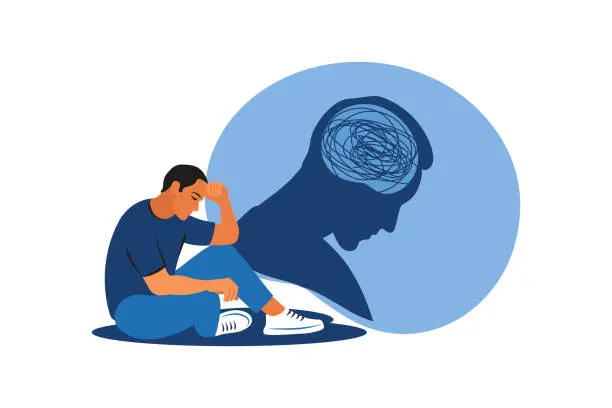
The pollutants or impurities within the air, namely sulphates, nitrates and carbon monoxide, are very small in their size (2.5 PM and 10 PM), which means that they can easily enter through the lungs within our blood when we breath in polluted air. These impurities can also slip from our blood, into our brain. Within the brain, they can cause reactions that cause different parts of brain to swell up (inflammation), which affect the other parts so that they do not work appropriately. This can affect the way in which our brain regulates our mood, manages our emotions and how we feel from a day-to-day basis. Recent studies about the pollutants have shown that people exposed to constant air pollution show heightened symptoms of anxiety and distress, while some show more chances of developed depression and in extreme cases, even schizophrenia.
The Immediate Effects on Mood and Cognition
Planning for these challenges still remains a big issue while thinking about the long-term effects of air pollution. On the more immediate timeline, the physical issues related to air pollution reduce the general quality of life. Things like nausea, scratchy throat or breathlessness can be extremely disorienting for a large percentage of population that lives in the polluted parts of the city. The pollutants we talked about earlier also start blocking neurotransmitters almost immediately, which can cause several issues with cognition. This means the general mood becomes irritable, restless and at times just confusing. What we call ‘brain fog’ starts to show up within weeks of constant exposure to air with a high pollutant composition.
How Air Pollution Indirectly Affects Mental Health
Similarly, air pollution can also indirectly affect mental health of a person. Think about people who have family members that might be more prone to develop breathing issues due to low immunity and pollution exposure. People with family members who have asthma or any other pre-existing condition tend to experience high levels of stress and anxiety when this family member suffers more due to air pollution. This causes undue stress within the family and for the members, which wouldn’t exist without air pollution. We need to acknowledge that the environment plays a very significant role in the mental health of person.
The Environment as a Source of Emotional Wellbeing
To develop this further, think about the various ways in which both depression and anxiety are treated by placing an individual back into their environment. Whether as grounding exercises or for improving the dopamine production through the means of a mental health walk, we owe our environment a great deal as a support system that helps regulate our mental wellbeing. With air pollution, environment no longer remains accessible as a source of regulating emotions and promoting wellness. This further isolates the people and their suffering, propagating an isolating situation, wherein the urban spaces become more artificial and cause issues at not only the mental but the physiological level.
Addressing the Impact of Air Pollution on Mental Health
Now that we understand these, it becomes crucial to deal with the effects of air pollution for not only our physical health, but also our consequential mental health affect by it.








Comments 0
No comments yet.
Be the first to share your thoughts on this post!