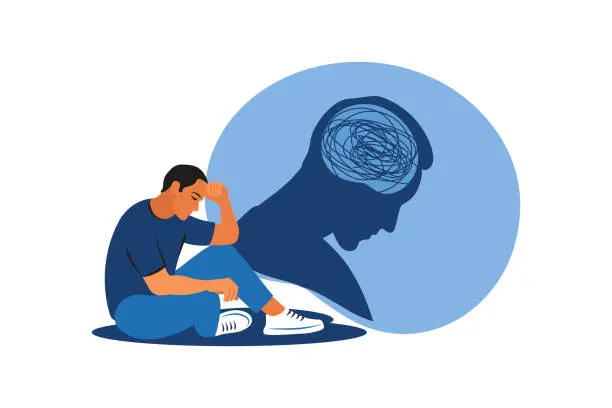
Men’s mental health- an inconvenient truth .
- |
- 21 Nov 2026
- |
- Mental Health

In the mental health space, there has been a lot of conversation around the importance of men’s mental health and the trend of men not seeking mental health support wherever necessary. One would expect that a decades long campaign and growing conversations around it might have helped the case, but the struggle is far from over. Just in 2024, it was seen that men were four times more likely to end their lives from suicide as compared to women. We see that within the mental healthcare system, men repeatedly receive significantly lesser help each year, with that gap slowly widening. A BBC based loneliness report conducted globally, found that young men (18-25 years) on an average experience the most loneliness out of all other demographics, that too in the developed cities and countries. Something somewhere is systematically wrong within our approach to men’s mental health.
Understanding the Cultural Barriers
To explore this issue, one can begin with culture. It is a well-known that there has historically been a stigma around men showcasing emotions and being emotionally expressive. So, actions like crying or appearing upset have been removed from their cultural expression. Now, while a lot of efforts have been made in trying to create safe spaces where men are encouraged to express themselves appropriately and safely, we notice a different trend.
How Mental Health Issues Manifest in Men
Due to not being encouraged to do so for several generations, many men now do not manifest their emotional turmoil in the stereotypical way. This means that men usually end up experiencing disorders like depression, stress and anxiety with more physiological, tangible symptoms, over mental ones. What follows is this effort to try and get support for the physiological symptoms, which are based in psychosomatic roots (caused due to mental strain). These include symptoms like sleeplessness, chronic headaches, gut issues, fatigue and even heightened sensitivity to sound and light. Now, while these men are encouraged around the idea of seeking mental assistance, they genuinely do not see the point as their symptoms do not present in the way people usually talk about them.
Recognising the Different Signs of Emotional Turmoil
Similarly, emotional turmoil presents differently as well. Wherein depression is associated with a flat affect, lack of enthusiasm and energy, men showcase elevated aggression, an aversion to social situations and an increased substance dependency. Anxiety on the other hand, manifested as chronic stress and fatigue. The issue then becomes that the men that might approach the mental health space might get treated for the wrong kind of disorder, which only looks at their symptoms and not at the underlying causes that actually guide their symptoms. This further discourages them from seeking support, as it feels like their needs are not being understood and aptly met, which results in a high initial drop off rate.
Moving Beyond Awareness Towards Understanding
With these facets in consideration, we realise that the issue now is not just spreading awareness of men’s mental health, but of also making people aware about the way in which mental health issues present themselves in them. This could include connecting physiological symptoms with psychological issues, understanding of several behavioral and emotional patterns as symptoms of a deeper problem than at the surface level, and encouraging overall trust within the mental health industry.
Building a Supportive Community for Men
Lastly, we also need to acknowledge that the interventions for men need to altered to ensure that the experience of receiving support isn’t too isolating. Preference should be given to support groups, community level outreach and psychoeducation of not only men but also of women. This will ensure that the brunt of understanding mental health and emotional well-being isn’t left on individual men but onto the whole community, to ensure that everyone receives support and direction, as the normal trend shows that men do not report their suffering and problems. We need to address this such that the people around them become vigilant and act as facilitators for them.









Comments 0
No comments yet.
Be the first to share your thoughts on this post!